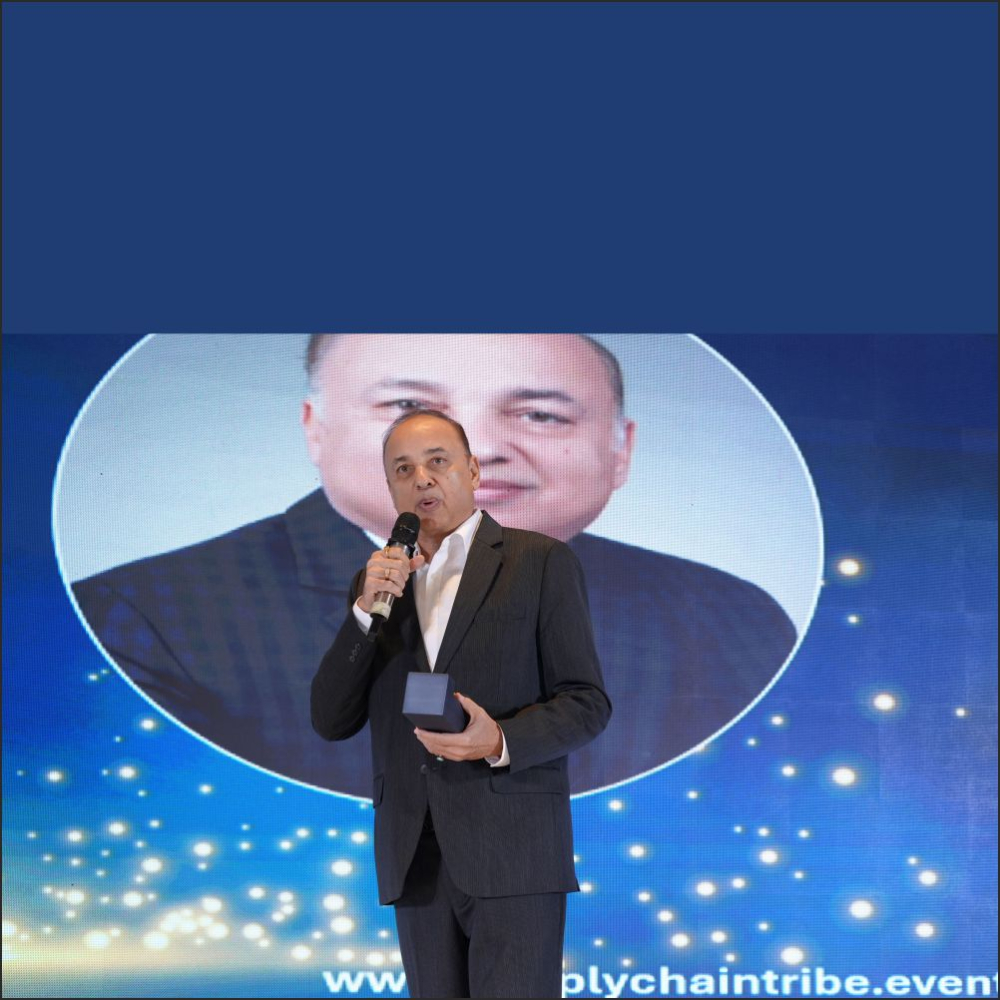
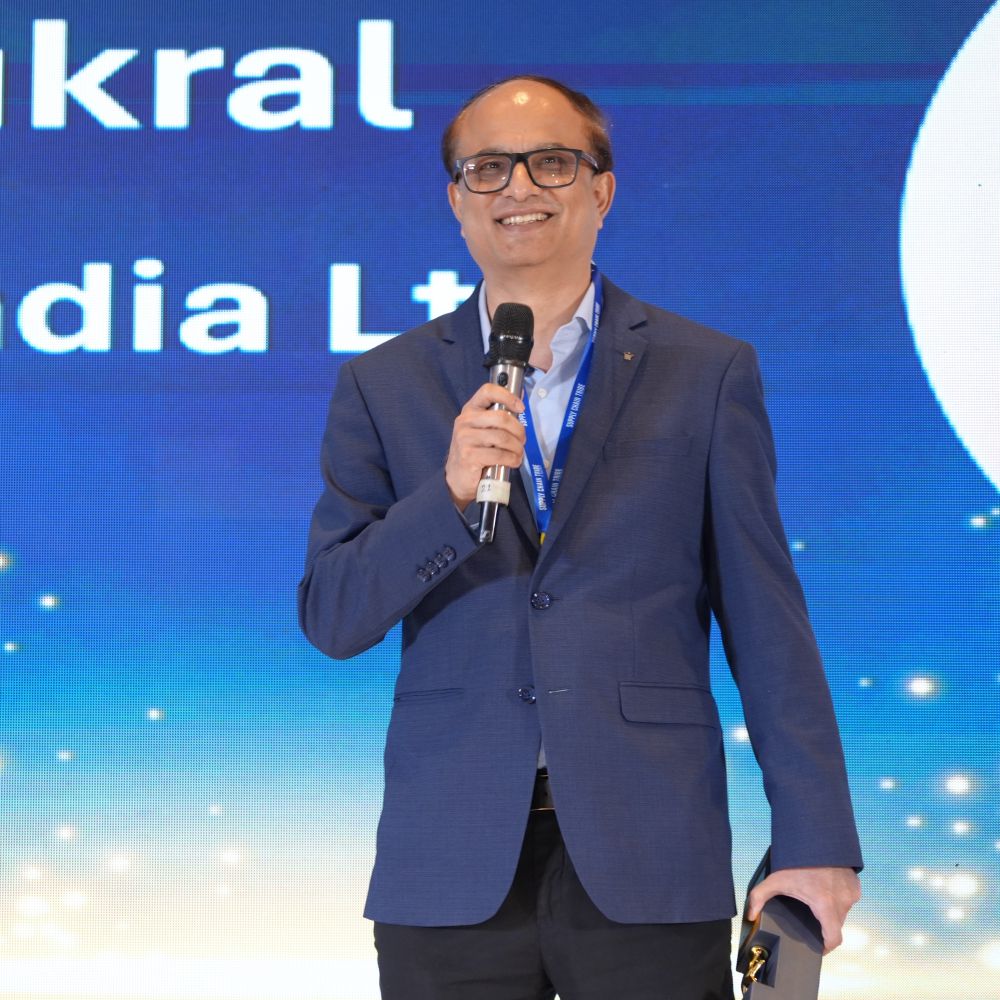
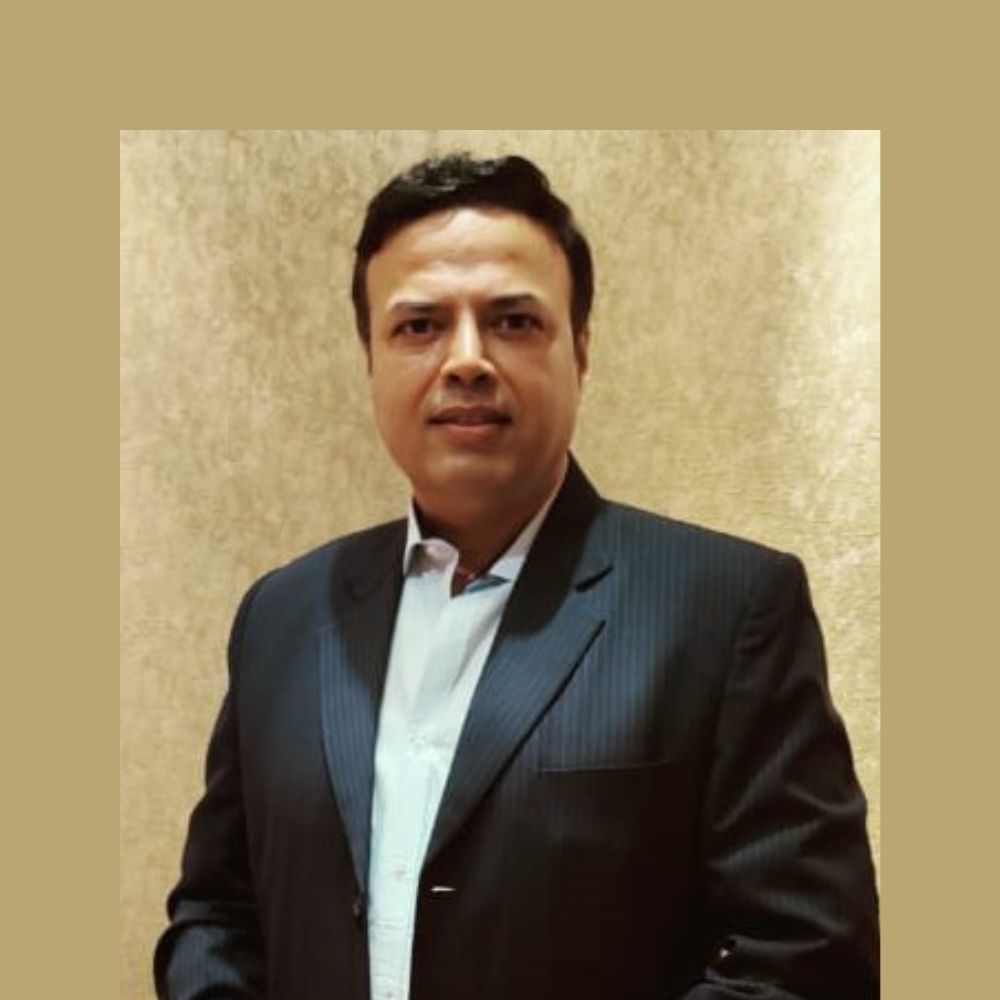
The true arc of leadership is measured not simply by what is achieved, but by what is built to endure. Across decades of leading people, businesses and change, Avinash Gupta, Global SCM Head, Solar Industries India Ltd., has come to see leadership as the ability to create belief, cultivate ownership and enable others to rise. His journey reflects an evolution from delivering outcomes to building capability, from directing people to creating leaders—and an enduring conviction that while businesses, technologies and ways of working will continue to transform, it is people who ultimately create institutions that last.
After a career of sustained achievement, what would you describe as your personal success mantra—and how has it evolved with experience?
My personal success mantra has always been deeply people-centric, and with experience, it has become richer—and, importantly, humbler. At the Centre of every successful organization are people who are willing to give their heart and mind to what they do. The leader's role is to involve people, give them a sense of the larger picture, create ownership and then give them the freedom to deliver.
I have increasingly come to believe that sustained success cannot be created through individual brilliance or the influence of a particular leader. If people are not taken along, success can be temporary, lasting only as long as the external stimulus or the leader remains.
For me, the real measure of leadership is therefore legacy. A leader has created lasting impact when the organization continues to perform, evolve and create leaders even after that leader has moved on. That requires leaders to be coaches and mentors, not just decision-makers—to create the environment, set the direction and then allow people to do the job.
Is there a book that has had a lasting influence on the way you think or lead? Is there a particular idea from it that you have consciously brought into your own life or leadership?
There are several, but a few stand out. One of the more recent ones is ‘Leading from the Back’ by Ravi Kant, former Managing Director of Tata Motors. The philosophy behind the book resonates strongly with me: give people big, challenging goals, create the belief that they can achieve them, provide the necessary support and then allow them to take ownership. This idea had a profound influence on many managers of my generation who had the opportunity to work under or learn from Mr. Ravi Kant. I have seen first-hand how people often rise to a challenge when leaders give them both the ambition and the confidence to take it on.
‘The 7 Habits of Highly Effective People’ has also influenced my thinking, particularly around personal effectiveness and disciplined leadership. ‘Customers for Life’ is another book that has resonance with my automotive background.
I would also mention Ron Kaufman's ‘UP! Your Service’. It reinforces something I strongly believe in: Service is still Undervalued in many organizations. Service is not merely a frontline function; it is an organizational culture. I believe creating a genuine service culture needs to be discussed at the board level because superior service can become a significant and sustainable source of differentiation.
Mentors can shape a leader long after a particular chapter has ended. Which mentor or influence has had a lasting impact on you, and what aspect of their thinking continues to stay with you?
Some of the strongest influences on one's leadership journey come from bosses who are not merely senior executives but genuine role models.
I have had the privilege of learning from several members of the Tata Motors executive leadership team. One lesson that has stayed with me is the importance of communication and the ability to create a compelling storyline. Leadership is not simply about having the right answer; it is about making people understand why it matters, where we are going and why they should come along. That lesson has stayed with me throughout my career, and I consciously pass it on while coaching younger professionals.
Another important lesson has been about scale and speed—the ability to challenge assumptions, question self-imposed limitations and move decisively when an opportunity presents itself. At the same time, I have learnt that meticulousness is not a differentiator; it is hygiene. The real differentiators are the ability to see the larger picture, communicate it compellingly, move with speed and create confidence in others.
You have led across generations with very different expectations of work, purpose and success. How do you adapt your leadership to connect with younger professionals while allowing them the space to bring their own strengths and perspectives?
Leadership across generations requires understanding rather than comparison. Earlier generations were generally more comfortable with face-to-face interaction and direct communication. Younger professionals are often far more comfortable with digital communication, social platforms and technology-enabled collaboration. Their expectations around purpose, career and workplace experience have also evolved. I don't see this as a question of one generation being better than another. It is about recognizing that the context has changed.
Younger professionals want to understand the Why, not merely the What. Therefore, leaders need to provide greater context, explain the larger purpose and then give people sufficient space to form their own views and bring their strengths to the table. The leadership challenge is to provide direction without becoming prescriptive. In my experience, when people understand the larger purpose and feel trusted, they bring considerably more energy and ownership to their work.
As a new generation of leaders enters positions of greater responsibility, what qualities do you believe will become increasingly important—and which qualities remain timeless?
In a rapidly changing and increasingly VUCA environment, agility will become one of the defining leadership attributes. Leaders need to have their ear to the ground, continuously read signals from the market, customers, technology and people, and be prepared to make decisions despite incomplete information. The speed at which circumstances change today means that leaders cannot wait for perfect clarity before acting. At the same time, some leadership qualities remain timeless: integrity, humility, curiosity, courage, empathy and the ability to take people along.
I often think of the modern leader as a chess player—thinking several moves ahead while remaining prepared to change the next move when the situation changes. The ability to balance long-term thinking with rapid execution will become increasingly important. The leader's job is not only to identify the change but also to align the organization quickly enough to respond to it.
The business environment continues to change at remarkable speed. What do you do personally to remain open to new ideas, new ways of working and perspectives that may be very different from your own?
I remain an avid learner. I read, participate in training programs, attend industry forums and, perhaps most importantly, I consciously try to learn from people irrespective of their age, experience or position. Listening without preconceived judgement is extremely important. We all carry biases—about people, ideas, technologies and even generations—and these biases can become barriers to learning.
I recently spent time learning about AI and built an application for portfolio assessment. The experience was less about the application itself and more about the realization of how quickly the boundaries of what is possible are moving. That experience reinforced something I strongly believe curiosity is a competitive advantage. The excitement of discovering something new keeps me open to new ideas. I believe leaders should never become so experienced that they stop being students.
Having worked with people across different generations and personalities, what do you look for beyond credentials when you recognize someone with the potential to lead?
Credentials tell you what someone has achieved. They do not necessarily tell you what someone can become. When I look for leadership potential, I look for a combination of groundedness, intellectual curiosity, authenticity and the ability to connect with both the subject and with people. I value people who are unassuming but street-smart; people who can understand complexity but simplify it for others; and people who can think on their feet rather than waiting for perfect conditions. I also look for OWNERSHIP. A potential leader does not constantly look for someone else to solve the problem. They instinctively ask: “What can I do about it?” For me, that mindset is often a stronger indicator of future leadership potential than a strong CV.
Over the years, has there been a leadership practice or principle that has become so integral to the way you work that it now comes almost instinctively?
One practice that has remained constant throughout my career is accessibility. I have always tried to maintain an open-door approach. People should be able to reach out to their leader—even if it means interrupting them—and know that they will receive a patient hearing. That principle extends beyond the people who work directly with me. I continue to respond to messages and stay connected with people whom I may have met only once. Sometimes people simply need help finding direction when they feel stuck.
Another instinctive practice is to break complexity into smaller, solvable problems. I also remain strongly data-driven in my approach to decision-making. And I believe in preparing thoroughly—even for the smallest meeting or interaction. Preparation creates clarity; accessibility creates trust; data creates discipline; and simplifying complexity enables execution. Over time, these have stopped feeling like techniques and have simply become part of how I work.
What interests outside business continue to hold your attention, and have any of them influenced the way you approach your professional life?
Sport has been a significant influence on me. I have played sport myself and also follow several sports closely—cricket, hockey, tennis and golf among them. Sport teaches some powerful lessons about business and leadership. It teaches you to be fiercely competitive, but also to remain on a continuous cycle of practice, learning and improvement. Years of preparation, self-evaluation and refinement eventually translate into performance. It also teaches humility. You have to accept defeat with grace, learn from mistakes and prepare for the next contest.
Perhaps the biggest lesson is the importance of the team and the coach. Even in individual sports, great performers have coaches and support teams behind them. Golf has given me one particularly useful lesson: stay focused on the ball and don't celebrate too early. In business, as in golf, the outcome is not secure until the shot is complete. Every sport has lessons that can be translated into leadership, execution and business.
Having experienced leadership across several decades, what is one perspective you believe the next generation would benefit from carrying forward—and what would you encourage them to define for themselves?
I am a strong believer in the principle of win-win. Whether it is a relationship between a boss and subordinate, a seller and buyer, two business partners or even relationships within a family, I believe sustainable relationships are created when both sides see value in the relationship. This becomes even more important as we enter an era where AI, automation, robotics and intelligent agents will fundamentally change the way work gets done. We do not yet know the full extent of that transformation.
What we do know is that technology can accelerate transactions, but relationships take time, trust and investment to build. I would therefore encourage the next generation to embrace technology without losing sight of the human element. Define success for yourself, but build it on relationships, trust, learning and mutual value.
Technology may change the way we work. Humans may increasingly work alongside machines and AI agents. But the organizations that remain truly resilient will continue to be human-centric. For me, that is perhaps the most important lesson of several decades of leadership: technology can transform processes, but people create lasting organizations.


 Categories