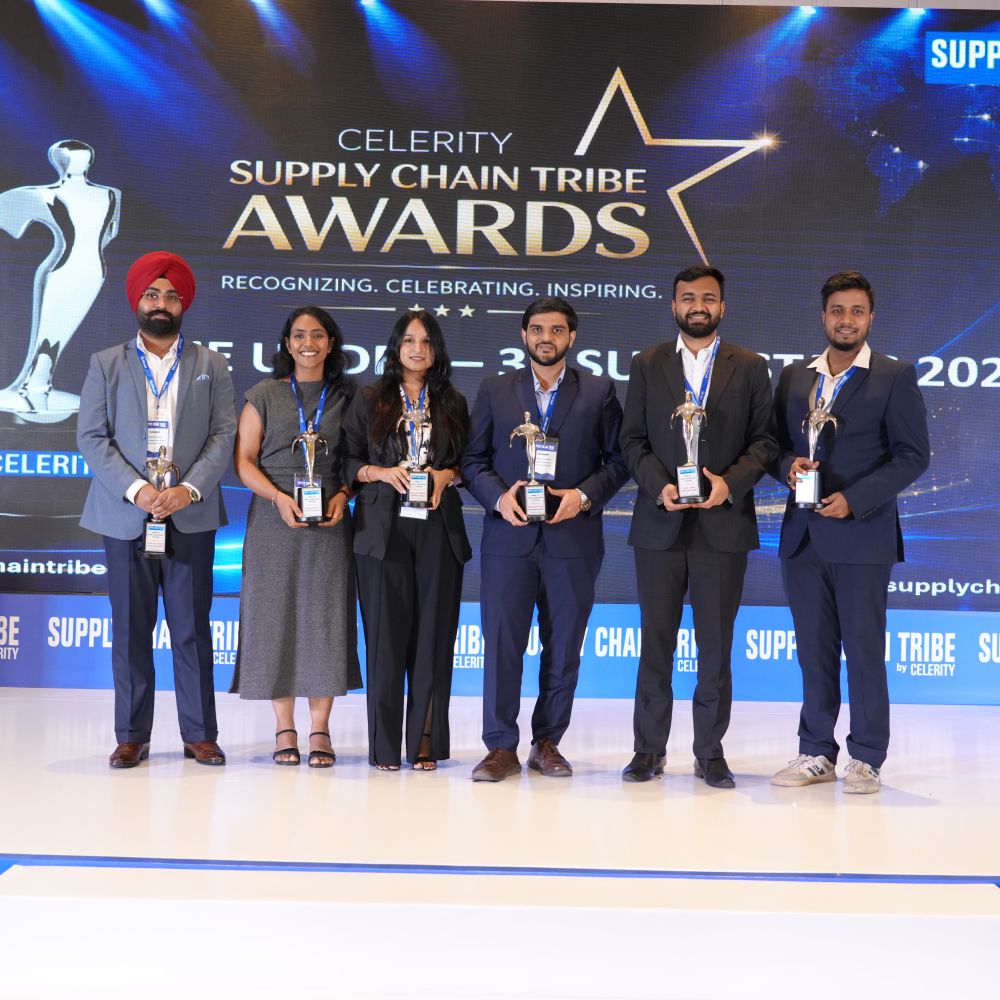
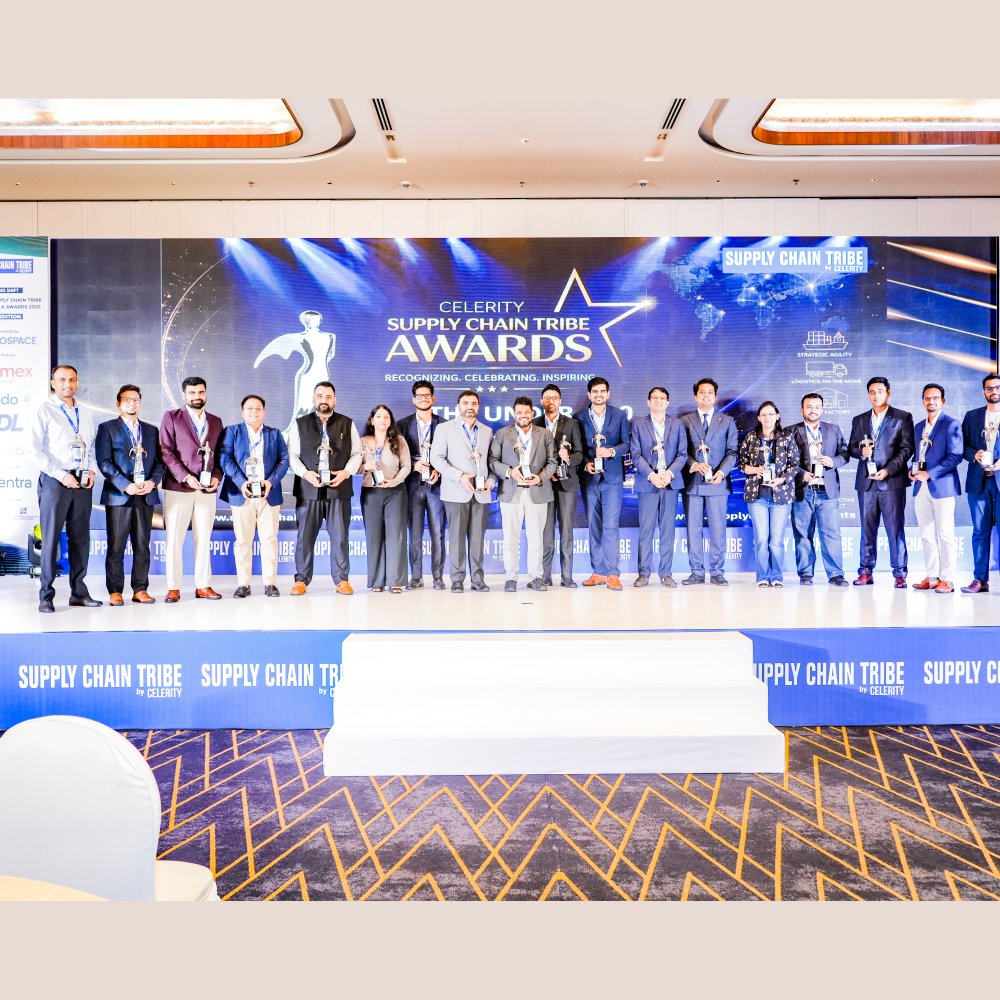
Every generation inherits a different business landscape—and with it, a different set of expectations. While the context may evolve, the pursuit of exceptional leadership remains a constant. The most enduring organizations recognize that preparing for the future requires more than identifying emerging talent or celebrating established success in isolation. It demands a continuous exchange of perspectives, where fresh ambition is informed by experience, and experience remains open to new ways of thinking.
The definition of leadership is evolving in step with the world of work. Artificial intelligence is accelerating decision-making,supply chains are navigating unprecedented volatility, and the pace of business leaves little room for conventional playbooks. In this environment, leadership is no longer defined solely by experience or expertise; it is increasingly shaped by learning agility, execution, emotional intelligence, and the ability to create clarity amid complexity.
The leaders featured in this section have built their careers during this very period of transformation. As esteemed members of the Celerity Supply Chain Tribe Under-30 Awards jury, they bring a perspective that is both contemporary and credible—having recently navigated many of the same career milestones, opportunities, and challenges confronting today's young professionals. Their experiences offer a unique lens on what it takes to transition from being a high-performing individual contributor to becoming a leader who influences people, drives outcomes, and embraces change with confidence.
In this Cover Story, they reflect on the lessons that have shaped their own journeys, the leadership qualities they believe will define the next decade, and the choices that can accelerate—or hinder—a young professional's growth. More than career advice, these are thoughtful reflections from a generation of leaders helping shape the future of supply chain leadership, offering practical wisdom to those preparing to write the next chapter of the profession.
As a young leader yourself, how do you think leadership expectations have changed for the new generation entering the workforce today?
Nikhil Puri
Nikhil Puri, Senior Vice President – Direct Purchase, ATC Tires Pvt. Ltd.: The expectations of leadership have undergone a fundamental shift. Today's professionals are no longer driven solely by financial security or conventional career milestones. While compensation remains important, they place equal—if not greater—value on mental well-being, meaningful work, flexibility, and a sense of purpose. They want to understand the 'why' behind what they do rather than simply executing instructions.
This generation also seeks leaders who coach rather than command, offering continuous, two-way feedback instead of relying on traditional hierarchical reviews. Leadership today is less about authority and more about creating an environment where people feel heard, empowered, and connected to a larger purpose.
Swetha Sampath, Services Supply Chain Transformation Director, Schneider Electric: Leadership today is less about directing work and more about enabling people to do their best work. The new generation expects leaders to provide purpose, transparency, and opportunities to grow, not just instructions. They value authenticity, inclusivity, and continuous feedback. In a world of constant change, leaders are expected to create clarity amidst ambiguity, empower teams to experiment, and foster an environment where people feel heard, valued, and inspired to contribute.
Swetha Sampath
Hareesh Viswanathan
Hareesh Viswanathan, Principal Sourcing Category Manager, Boston Scientific: Leadership today is no longer measured solely by experience or authority—it is measured by the ability to inspire innovation, navigate uncertainty, and empower people to solve increasingly complex problems. The new generation enters the workforce with fresh perspectives, digital fluency, and the confidence to challenge conventional thinking. Rather than expecting leaders to simply provide answers, they look for mentors who encourage experimentation, foster collaboration, and create opportunities for continuous learning. In today's environment, the most effective leaders are those who combine strategic thinking with empathy, adaptability, and the courage to embrace change.
Varun Kakkar, Senior General Manager – Supply Chain, Grasim Industries Ltd. (Birla Opus Paints): The expectations from emerging leaders have evolved significantly as businesses operate in an increasingly volatile, uncertain, complex, and ambiguous (VUCA) environment. Traditional leadership theories and management frameworks that worked in relatively stable markets do not always translate into success today. Modern leaders are expected to be far more agile, adaptable, and responsive, making decisions with incomplete information while continuously recalibrating their approach based on changing customer expectations, competitive dynamics, and market realities.
Varun Kakkar
Equally important is the ability to lead diverse, multi-generational teams. As workplaces transition from being dominated by Millennials and Gen X to increasingly including Gen Z and, in time, Gen Alpha, leadership is becoming more people-centric than ever before. Understanding different aspirations, communication styles, and motivations is no longer optional—it is essential. At the same time, technology has moved from being a support function to becoming an integral part of every business decision. Today's leaders are therefore expected to possess not just business acumen but also a strong degree of technological literacy, enabling them to leverage digital tools and AI effectively while leading transformation with confidence.
Shreyas Dhore
Shreyas Dhore, General Manager – Supply Management Shared Services, John Deere India Pvt Ltd.: Leadership expectations have changed quite significantly. When I look back at the early years of my career, leadership was often seen as giving direction, managing output, and having the final answer. The new generation expects something deeper. They look for leaders who are transparent, approachable, and genuinely invested in their growth. Today, leadership is less about authority and more about creating clarity, trust, and purpose.
Young professionals want to understand the why behind the work. They want space to contribute ideas, challenge old ways of working, and build meaningful careers. As leaders, our role is to remove friction, create psychological safety, and help people see how their work connects to a larger impact.
Siddharth Anand
Siddharth Anand, Sr. General Manager - Planning & Distribution, Raj Petro - A Member of the Shell Group: As Gen Z enters the workforce, organizations are becoming increasingly multi-generational, making it clear that leadership can no longer rely on a one-size-fits-all approach. Today's leaders need to recognize that different generations are motivated by different aspirations, expectations, and ways of working. Empathy has therefore become a defining leadership capability—understanding each individual's context and supporting their need for a healthy work-life balance is no longer a nice-to-have, but a prerequisite for building high performing teams.
My own leadership approach has evolved alongside this shift. Earlier, my focus was primarily on aligning teams around a shared purpose and driving collaboration towards common goals. While that remains important, I've realized that today's workforce seeks a deeper understanding of the intent behind decisions. Explaining the 'why' has become just as important as defining the 'what' and the 'how'. When people understand the purpose behind a decision, they are far more likely to engage with conviction, contribute meaningfully, and take ownership of outcomes.
Nikul Dholu, Deputy General Manager – Supply Chain Excellence, Godrej Agrovet Ltd.: Leadership expectations have evolved significantly over the last decade. Earlier, leadership was often associated with authority, experience, and decision-making from the top. Today, especially in a diverse and digitally connected workforce, leadership is increasingly defined by influence, adaptability, and the ability to inspire collaboration.
Nikul Dholu
Young professionals entering the workforce expect transparency, purpose, continuous learning, and a culture where their voices are heard. They look for leaders who can navigate uncertainty, embrace technology, and demonstrate empathy. In the Indian context, where organizations are balancing rapid growth with social and environmental responsibilities, leaders are expected to create both business value and broader societal impact. The new generation is not simply looking for managers; they are looking for mentors, coaches, and role models who can help them grow in an increasingly complex world.
What skills or experiences have contributed most to your growth and accelerated your leadership journey?
Nikhil Puri: Stakeholder management and problem-solving have been the two defining pillars of my leadership journey. Early in my career, learning to navigate diverse stakeholder expectations helped me appreciate that every challenge has multiple perspectives. Understanding the priorities, constraints, and aspirations of different stakeholders enabled me to move beyond transactional interactions and build collaborative solutions that created value for everyone involved.
An equally important source of llearning came from observing leaders throughout my career. Interestingly, some of my greatest lessons came not from what they did right, but from understanding what not to do. Leadership conversations often focus on best practices, but recognizing behaviours that erode trust, discourage teams, or limit collaboration can be equally transformative. Those observations have significantly shaped my own leadership philosophy and the way I engage with people today.
Swetha Sampath: My growth has been shaped by the diverse experiences I've had across the supply chain, from manufacturing and procurement to logistics, network design, analytics, strategy, and services transformation. Working across these functions helped me develop an end-to-end perspective and appreciate how interconnected every part of the value chain is.
Equally important has been learning to lead through influence rather than authority. Much of my career has involved driving large-scale transformation initiatives that required bringing together cross-functional teams and stakeholders without direct reporting relationships. These experiences strengthened my ability to build trust, align diverse perspectives, navigate change, and deliver results through collaboration. A strong sense of curiosity and a commitment to continuous learning have further helped accelerate my leadership journey.
Hareesh Viswanathan: The biggest contributor to my growth has been an unwavering curiosity and willingness to step outside my comfort zone. Every career move—from consumer electronics to connected mobility and now healthcare manufacturing—has exposed me to new challenges, technologies, and ways of thinking. Those experiences taught me that leadership is built by continuously learning, embracing change, and seeing opportunities where others see uncertainty. Equally important has been building strong relationships across cultures, functions, and organizations. Technical expertise may open doors, but collaboration, trust, and adaptability are what create long-term leadership impact.
Varun Kakkar: Looking back, two qualities have had the greatest influence on my leadership journey—the willingness to take ownership of difficult assignments and the ability to remain composed while navigating uncertainty and complexity. Challenging situations often become the greatest classrooms for leadership because they force you to think differently, make decisions with limited information, and build resilience.
I have consciously focused on building strong teams and robust processes instead of chasing short-term outcomes. Sustainable results are rarely driven by individual brilliance alone; they come from creating systems that consistently deliver performance. Another principle that has shaped my career is developing deep expertise within my industry rather than constantly pursuing the next trend or the fastest career move. Over time, this has helped me build credibility, earn trust across stakeholders, and establish a strong professional reputation based on consistent delivery rather than visibility alone.
Shreyas Dhore: For me, the biggest growth has come from being placed in very different supply chain chapters, each one teaching me something the previous one could not. Designing in-out sourcing strategy at Siemens taught me the discipline of manufacturing decisions. Setting up supply chain for a greenfield Powertrain plant at General Motors taught me what it means to build from the ground up. Transforming services supply chain planning and logistics at Avaya taught me speed, customer commitment, and regional complexity. At John Deere, working on cost transformation and digital value creation has brought all those lessons together at enterprise scale.
My journey through the Accelerated General Management Program at IIM Ahmedabad also reshaped how I evaluate global supply chains. It pushed me to look beyond short-term operational fire drills and think more deeply about long-term resilience, business models, and systemic value creation. Beyond the classroom, what truly accelerated my path was learning to look at supply chain networks through the lens of the Theory of Constraints. Whether it is a process bottleneck, a data gap, a capability gap, or a human dependency, identifying the weakest link and improving it methodically can transform supply chain from a reactive cost center into a strategic differentiator.
Siddharth Anand: The first eight years of my career were in operations, where I built a strong foundation in manufacturing, cost management, and operational efficiency. That experience gave me a deep understanding of how supply chains function end-to-end and, more importantly, how to distinguish activities that truly create value from those that do not. Equally transformative were the leadership lessons I learned on the shopfloor. Leading and learning alongside large teams of workmen, supervisors, and manufacturing leaders reinforced a simple but enduring truth: sustainable results are built on trust, collaboration, and respect for people.
Looking back, my strongest growth enabler has been an unwavering commitment to continuous learning. Being curious, embracing new challenges, and learning with every role have enabled me to expand my capabilities, deliver meaningful impact, and evolve throughout my career so far.
Nikul Dholu: Three factors have played a particularly important role in my leadership journey. First, exposure to diverse business situations and crossfunctional experiences has helped me understand how different parts of an organization work together to create value. Second, learning to work with people from varied backgrounds and perspectives has strengthened my ability to collaborate, influence, and build trust.
Third, embracing continuous learning— whether through new technologies, industry trends, or feedback from colleagues—has enabled me to remain adaptable in a rapidly changing environment. Leadership growth is rarely the result of a single achievement. It is often shaped by taking ownership of challenging assignments, learning from setbacks, and consistently stepping outside one's comfort zone.
Young professionals are entering an AI-enabled world of work. How can they balance technological fluency with the human side of leadership?
Nikhil Puri: AI is rapidly becoming an indispensable part of the modern workplace, and young professionals must embrace it wholeheartedly. Building technological fluency is no longer optional—it is becoming a foundational skill. However, technology delivers its greatest value when combined with human judgment. The future belongs to leaders who understand the concept of 'human in the loop,' where AI enhances decision-making without replacing empathy, critical thinking, and ethical judgment.
As professionals become increasingly digital-first, they must consciously preserve the qualities that technology cannot replicate—listening deeply, demonstrating empathy, building trust, and communicating with transparency. AI can accelerate productivity, but it is these distinctly human capabilities that inspire teams, strengthen relationships, and define exceptional leadership.
Swetha Sampath: AI will increasingly help us make faster and better decisions, but leadership will always remain a human endeavour. Young professionals should embrace technology and develop strong digital and analytical skills, while also investing in capabilities that machines cannot easily replicate—empathy, critical thinking, communication, collaboration, and judgment. The real advantage will come from knowing when to rely on data and when to rely on human insight. Technology can inform decisions, but trust, inspiration, and meaningful relationships are what drive teams to achieve extraordinary outcomes.
Hareesh Viswanathan: AI will fundamentally transform how organizations forecast demand, optimize inventory, identify risks, and make decisions—but it will never replace the human element that defines exceptional leadership. In supply chain, technology can recommend suppliers, predict disruptions, or optimize logistics, but it cannot build trust with a strategic partner, negotiate a complex agreement, inspire cross-functional teams, or make ethical decisions under uncertainty. The future belongs to professionals who know how to leverage AI as a strategic co-pilot while strengthening the skills that technology cannot replicate: communication, emotional intelligence, relationship building, critical thinking, and sound judgment. The greatest competitive advantage won't come from choosing between AI and people—it will come from mastering both.
Varun Kakkar: One encouraging trend I observe is that young professionals are naturally comfortable with technology. They adapt quickly to new digital platforms, AI tools, and emerging technologies, and with the right learning mindset, they can become highly productive in a relatively short span. However, technology alone does not make a leader. Leadership fundamentally remains about people. My advice to young professionals is to spend as much time as possible with their teams, especially during the early years of their careers. Being present on the shop floor, understanding operational challenges firsthand, listening to employees' concerns, and observing how work actually gets done develops empathy and practical judgment that no classroom or AI tool can teach.
Similarly, staying close to customers helps build emotional intelligence and a deeper appreciation of business realities. The leaders who will stand out in the future will be those who combine technological competence with strong interpersonal skills, empathy, and the ability to inspire people. AI can enhance decision-making, but it cannot replace human trust, collaboration, or leadership.
Shreyas Dhore: I see technology as a force multiplier. AI, analytics, automation, and digital tools can help us make faster decisions, improve productivity, and remove repetitive work. But technology cannot replace judgment, empathy, ownership, or trust. Young professionals should become comfortable with AI and data, but they should also remember that data often tells us what is happening. Understanding why it is happening still requires listening, asking good questions, and engaging with people on the ground.
In an AI-enabled world, technological fluency must also come with ethical maturity. Young professionals should learn how to use AI responsibly, question the quality and bias of data, protect trust, and remember that faster decisions are not always better decisions unless they are also fair and thoughtful. The best leaders will use technology to become more effective, but they will use their human skills and values to bring people along.
Siddharth Anand: Young professionals should take AI as an enabler, not view it as a threat. It is most valuable when it helps eliminate repetitive work, accelerates learning, and provides insights that support better decisions. As technology continues to handle more routine and data-driven tasks, the qualities that will define exceptional leaders will be distinctly human. The ability to stay curious, empathize with others, make principled decisions, and inspire people toward a common purpose cannot be replicated by AI.
Nikul Dholu: AI will undoubtedly transform how we work, make decisions, and solve problems. Therefore, technological fluency is becoming a foundational skill rather than a specialized capability. Young professionals should actively embrace digital tools, data analytics, automation, and AI-driven decision-making. However, technology cannot replace the human qualities that define exceptional leadership. Empathy, ethical judgment, communication, resilience, creativity, and the ability to build relationships will remain critical differentiators. The leaders who thrive will be those who can combine data-driven insights with human understanding. While AI can help answer questions faster, leaders must still ask the right questions, understand stakeholder concerns, and make decisions that balance business outcomes with human impact.
From your perspective, what mindset will separate future leaders from the rest of the talent pool?
Nikhil Puri: The leaders of tomorrow will distinguish themselves through empathy, transparency, and an unwavering commitment to continuous learning. They will recognise that leadership is not about having all the answers but about fostering an environment where people can learn, innovate, and grow together. Equally important, future leaders will expand their perspective beyond organisational success. They will think holistically about customers, partners, communities, and society at large, understanding that sustainable leadership is measured not only by business outcomes but also by the positive impact they create across the broader ecosystem.
Swetha Sampath: The foundational qualities of leadership such as character, vision, drive, emotional intelligence, decision-making, and adaptability will always remain important. However, what will set future leaders apart is their ability to continuously learn, unlearn, and relearn. In a world shaped by rapid technological advancement and evolving customer expectations, expertise alone has a shorter shelf life than ever before.
Future leaders will be those who stay curious, embrace change, seek diverse perspectives, and step outside their comfort zones to grow. The leaders who thrive will combine learning agility with resilience, using uncertainty not as a barrier but as an opportunity to innovate, create value, and inspire others to do the same.
Hareesh Viswanathan: The leaders of tomorrow will be distinguished by their ability to think beyond traditional boundaries. They won't simply optimize existing processes—they'll reimagine them. They'll challenge long-held assumptions, embrace calculated risks, and remain curious enough to explore solutions others haven't considered. In an increasingly interconnected world, innovation often happens at the intersection of disciplines, industries, and diverse perspectives. Future leaders will see disruption as an opportunity to create value, not merely a challenge to overcome. Those who continuously learn, adapt, and innovate will shape the future rather than react to it.
Varun Kakkar: With technologies like AI making knowledge, frameworks, and strategic insights accessible to almost everyone, the traditional advantage of simply possessing information is rapidly diminishing. The real differentiator will no longer be knowing what needs to be done—it will be the ability to execute effectively.
Future leaders will distinguish themselves through their execution capability: translating ideas into measurable outcomes, solving problems under constraints, and delivering results despite ambiguity and limited resources. They will demonstrate resilience, accountability, and an unwavering focus on outcomes rather than getting caught up in endless planning or theoretical discussions. In the years ahead, a results oriented mindset, combined with the discipline to consistently execute, will separate high-impact leaders from the broader talent pool.
Shreyas Dhore: The mindset that will separate future leaders is ownership with resilience. Future leaders will not wait for perfect information, perfect timing, or perfect conditions. They will learn quickly, take accountability, and make the best possible decision with the information available. Future leaders will also need the humility to unlearn. Many practices that worked in stable environments may not work in today's VUCA and BANI world. The leaders who stand out will be those who can let go of outdated assumptions, learn new practices faster than change itself, and still stay anchored in values.
I also believe the role of a leader is not to solve every problem personally. It is to build teams that can solve problems with confidence, accountability, and extreme ownership. In a volatile world, resilient leaders create clarity, empower people, and keep the organization moving forward even when the environment is uncertain.
Siddharth Anand: The most effective leaders will be those who combine the speed and scale of AI with the wisdom to ask the right questions, challenge assumptions, and make decisions that consider both business outcomes and human impact. The leaders who thrive in the AI era will be those who are as committed to developing emotional intelligence and character as they are to building digital capability.
Nikul Dholu: The defining mindset will be that of continuous adaptability. Future leaders will recognize that change is no longer an occasional event—it is the normal state of business. Whether it is technological disruption, supply chain volatility, climate-related challenges, or shifting customer expectations, leaders must remain curious, agile, and willing to learn throughout their careers. Equally important is a growth mindset—the belief that skills can be developed through effort, learning, and experience. Those who remain open to new ideas, seek diverse perspectives, and view challenges as opportunities for growth will be better positioned to lead in uncertain environments.
What is one common mistake young professionals make that can limit their long-term growth and leadership potential?
Nikhil Puri: One of the biggest barriers to long-term growth is becoming comfortable too early. It is easy to settle into familiar routines once a certain level of success is achieved, but true leadership demands continuous evolution. Young professionals should consistently challenge the status quo, seek experiences outside their comfort zone, and remain curious enough to question their own assumptions. The willingness to embrace discomfort often becomes the catalyst for meaningful personal and professional growth.
Swetha Sampath: One common mistake is focusing only on excelling in their current role without intentionally building breadth of experience and relationships. Technical excellence is important, but leadership requires understanding the broader business, collaborating across functions, and developing a strong network. The professionals who grow fastest are often those who seek challenging assignments, welcome feedback, and volunteer for opportunities that stretch their capabilities, even when those opportunities feel uncomfortable.
Hareesh Viswanathan: One of the biggest mistakes is becoming comfortable too early. Many talented professionals focus on mastering a single role, function, or industry without seeking experiences that broaden their perspective. True leadership comes from embracing unfamiliar challenges, working across different functions, collaborating with diverse teams, and learning from failure as much as success. The most successful careers are rarely linear—they're built by saying "yes" to opportunities that stretch your capabilities and redefine what you believe you're capable of achieving.
Varun Kakkar: One of the most common mistakes I see is prioritizing short-term salary growth over long-term capability building. Many young professionals are eager to change jobs frequently to maximise compensation relative to their peers. While this approach can deliver financial gains in the initial years, it often comes at the cost of developing deep domain expertise and demonstrating sustained impact.
Leadership roles, particularly at the mid and senior levels, demand far more than technical competence. Organizations look for professionals who have stayed long enough to understand the business, lead transformation, build teams, and deliver measurable outcomes over time. Frequent job changes can result in fragmented experience, making it difficult to build credibility or showcase meaningful achievements. My advice would be to focus first on mastering your domain, creating tangible value, and building a track record of execution. Long-term career growth is usually a by-product of sustained capability, not frequent movement.
Shreyas Dhore: One common mistake is waiting too long to speak up. I have seen many bright professionals hold back because they feel they need to become complete experts before sharing a point of view or challenging an existing process. In reality, fresh thinking is one of their biggest strengths. Experience is important, but curiosity, preparation, and courage also matter. Young professionals should not confuse lack of tenure with lack of value. If they have done the work, understood the problem, and have a thoughtful perspective, they should bring it forward with confidence and humility.
Siddharth Anand: In my view, too many role changes done too frequently continues to be a common young professional mistake which prevents in-depth learning and can be a limiting factor in full development of their leadership potential.
Nikul Dholu: One common mistake is focusing too narrowly on short-term career progression while overlooking long-term capability building. Many young professionals understandably seek rapid advancement, but sustainable leadership is built through depth of knowledge, credibility, problem-solving ability, and strong relationships. Sometimes the most valuable experiences come from taking on challenging assignments, learning new functions, or working in demanding environments that may not provide immediate recognition. The most successful leaders invest in learning and capability development first; career growth typically follows as a natural outcome.
What advice would you give to young professionals seeking to build meaningful careers and emerge as leaders in a rapidly evolving world?
Nikhil Puri: Never stop challenging the status quo and never lose your appetite for learning. The pace of change today means that yesterday's achievements cannot guarantee tomorrow's success. Adaptability, curiosity, and the willingness to continuously upskill are what will keep professionals relevant in an increasingly dynamic world. Rather than becoming complacent with past accomplishments, keep raising the bar for yourself, embrace new challenges, and focus on becoming better with every opportunity that comes your way.
Swetha Sampath: Stay curious, stay adaptable, and never stop learning. Seek experiences that broaden your perspective rather than only deepen your expertise. Find mentors who challenge your thinking, build strong relationships, and focus on delivering meaningful impact wherever you are. Most importantly, view your career as a journey of growth rather than a race to the next title. Leadership is not defined by position; it is built through consistent actions, credibility, resilience, and the positive impact you have on people around you.
Hareesh Viswanathan: Stay curious enough to keep learning, humble enough to keep listening, and courageous enough to embrace opportunities that weren't part of your original plan. Careers are journeys, not predetermined roadmaps, and some of the most meaningful opportunities appear when you're willing to explore the unexpected. Invest in building genuine relationships, because your professional network is not just a pathway to career growth—it's a lifelong source of mentorship, collaboration, and shared learning. Finally, never stop creating value. Titles may open doors, but the impact you leave on people, organizations, and the problems you solve is what ultimately defines your leadership legacy.
Varun Kakkar: Meaningful careers are built over time through deliberate choices rather than quick wins. My advice to young professionals would be centred around a few enduring principles.
Never hesitate to take on assignments that others are reluctant to accept. Difficult projects often provide the fastest learning and become defining milestones in your career. They build both capability and reputation.
Remain open to diverse roles, cross-functional experiences, and geographical mobility, particularly during the early years when personal responsibilities are relatively fewer. Every new environment broadens your perspective and strengthens your adaptability.
Invest in long-term capability building rather than immediate rewards. Stay in roles long enough to demonstrate ownership, create measurable impact, and establish yourself as a dependable professional. Leadership is built on credibility, and credibility comes from consistency.
Continuous learning is equally critical. Industries are evolving rapidly with advancements in technology, AI, automation, and changing customer expectations. Staying updated and being intellectually curious will ensure your skills remain relevant throughout your career.
Never underestimate the value of relationships. The network you build during your college years and throughout your professional journey often becomes one of your strongest career assets. Meaningful professional relationships create opportunities, foster collaboration, and continue to add value long after formal education has ended.
Shreyas Dhore: My advice would be to build your career around three Ps: Purpose, People, and Performance. Purpose helps you understand why the work matters. People remind you that leadership is about building capability, trust, and confidence in others. Performance ensures that good intent translates into business results through deep business understanding, technology adoption, and uncompromised operational excellence.
Do not chase titles too early. Focus on building capability, credibility, and trust. Take roles that stretch you, work across functions, learn the language of data, technology, finance, and operations, and take ownership of your own learning.
Along with learning, build the habit of unlearning. Do not become too attached to one way of working, one technology, or one definition of success. The world will keep changing, and your ability to adapt without losing your values will matter deeply. Also, never compromise on ethics. In a complex and uncertain world, ethical leadership is not a soft topic; it is the foundation of trust, credibility, and long-term impact.
Siddharth Anand: If I had to offer two pieces of advice to young professionals, they would be these. First, never underestimate the value of a good mentor. No matter how talented or driven you are, the guidance of someone who has navigated similar challenges can significantly accelerate your learning, broaden your perspective, and help you avoid common pitfalls. Seek out mentors early in your career and be intentional about learning from their experiences.
Second, cultivate a mindset of lifelong curiosity. We live in a world where technologies, business models, and customer expectations are evolving faster than ever before. Your ability to remain relevant will depend less on what you already know and more on your willingness to continuously learn, unlearn, and adapt.
Nikul Dholu: My advice would be to focus on three areas.
First, remain relentlessly curious. The half-life of skills is shrinking, and continuous learning is becoming essential for long-term success.
Second, build both competence and character. Technical expertise may open doors, but integrity, reliability, humility, and trustworthiness determine how far you can go as a leader.
Third, seek purpose beyond personal success. The most impactful leaders create value not only for their organizations but also for customers, communities, and society at large.
In India's growth story, there will be tremendous opportunities for young professionals who can combine innovation with responsibility, ambition with empathy, and performance with purpose.
In One Sentence, Complete the Following:
Nikhil Puri: For the next generation, leadership will be less about control and having all the answers, and more about empathy, adaptability, and empowering people to thrive in a constantly changing world.
Swetha Sampath: For the next generation, leadership will be less about authority and more about influence, adaptability, and enabling others to succeed.
Hareesh Viswanathan: For the next generation, leadership will be less about hierarchy and more about collaboration across ecosystems and empowering people.
Varun Kakkar: For the next generation, leadership will be less about theory and more about execution, problem solving, and creating measurable impact in an increasingly complex world.
Shreyas Dhore: For the next generation, leadership will be less about having all the answers and more about building resilient, empowered, and ethical teams that can learn, unlearn, and create meaningful impact through change.
Siddharth Anand: For the next generation, leadership will be less about experience and more about adaptability.
Nikul Dholu: For the next generation, leadership will be less about having all the answers and more about bringing together people, technology, and purpose to solve meaningful problems.


 Categories